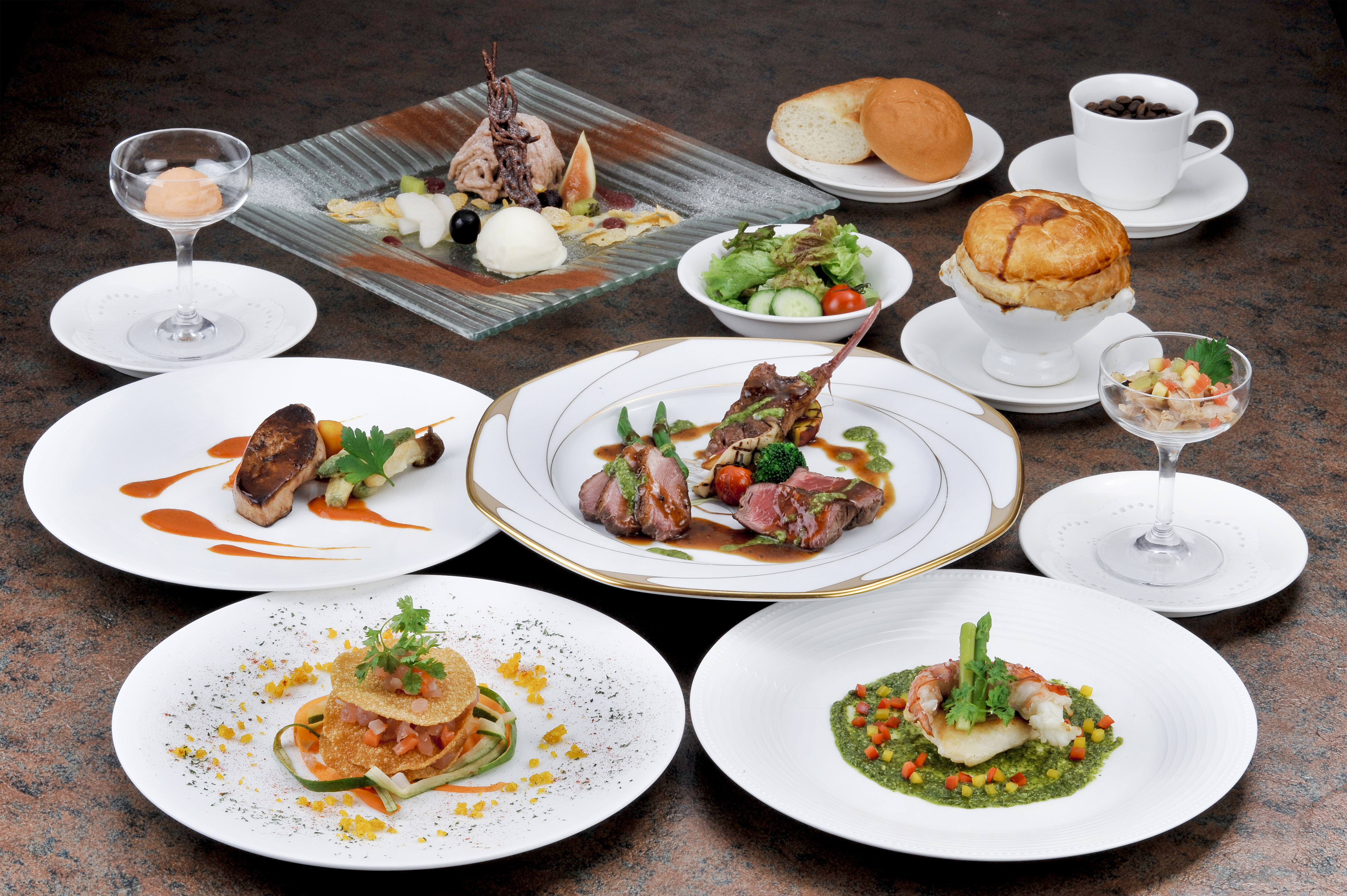
© Tweeter Linder 2024 – All rights reserved. Photo by iStock.
Expect few to understand what outstanding Thought Leadership looks like and many to have a primary and varying understanding. As a thought leadership program leader, you must unite the broader team around a clear vision.
What is new: Use a five-course gourmet as a metaphor for what thought leadership should deliver.
Why it matters: Interpretations of thought leadership and the target results can vary substantially in a business.
High audience expectations: Anyone booking a table for a five-course dinner has high expectations, starting with the venue and atmosphere, the composition of the dishes, execution in the kitchen, and delivery by the service staff. Expectations grow from when they first learn about the restaurants until the big day.
Thought Leadership audiences also have high expectations. They expect crisp points of view, eye-opening facts, and attractive delivery formats that are easy to access—quality in all value creation steps.
Build on a theme: Restaurants position themselves through distinct themes, such as farm-to-table, fish and seafood, vegetarian/sustainable, and steakhouse. A restaurant brand connects to a distinctive and well-known category. The restaurant theme should match the restaurant’s planned longevity. Expect it to be hard, if not impossible, to redefine during the journey.
Your thought leadership program also needs a strong theme as an anchor. A theme sets expectations for what you will address and attracts an audience excited about your direction. Expect large companies to be limited to how many themes they can pursue, with a handful as a rule of thumb.

Advertising five main dishes: Smaller and more sophisticated dishes dominate the composition of a five-course dinner. Trust the chef as you pick a menu rather than selecting individual dishes during a three-course meal. Five is enough variety to match different tastes. The target is to make guests enjoy all five and remember a few that stood out.
Five topics under a thought leadership theme allow you to cast a wide enough net without compromising quality. 🏆 You build the five topics around what you expect to be the most critical conversations in the market. You want it to represent variety, not putting all eggs 🐣 in the same basket 🧺. Seven spreads you too thin, and three is a good starting point for expanding to four or five.

Seasonal ingredients: A gourmet restaurant continuously reinvents the menu and leverages seasonal ingredients. The menu is an ongoing innovation project. The chefs collaborate closely with local farmers 🧑🌾 to get fresh ingredients in their farm-to-table set-up. Access to ingredients varies across seasons, and the menu evolves one dish at a time.
Thought Leadership depends on fresh ingredients—insights and facts that evolve continuously. Old facts can ruin great points of view. You waste your audience’s time when presenting irrelevant or obsolete topics. Aspire to evolve the five topics to ensure your selection is always relevant and continuously updated.
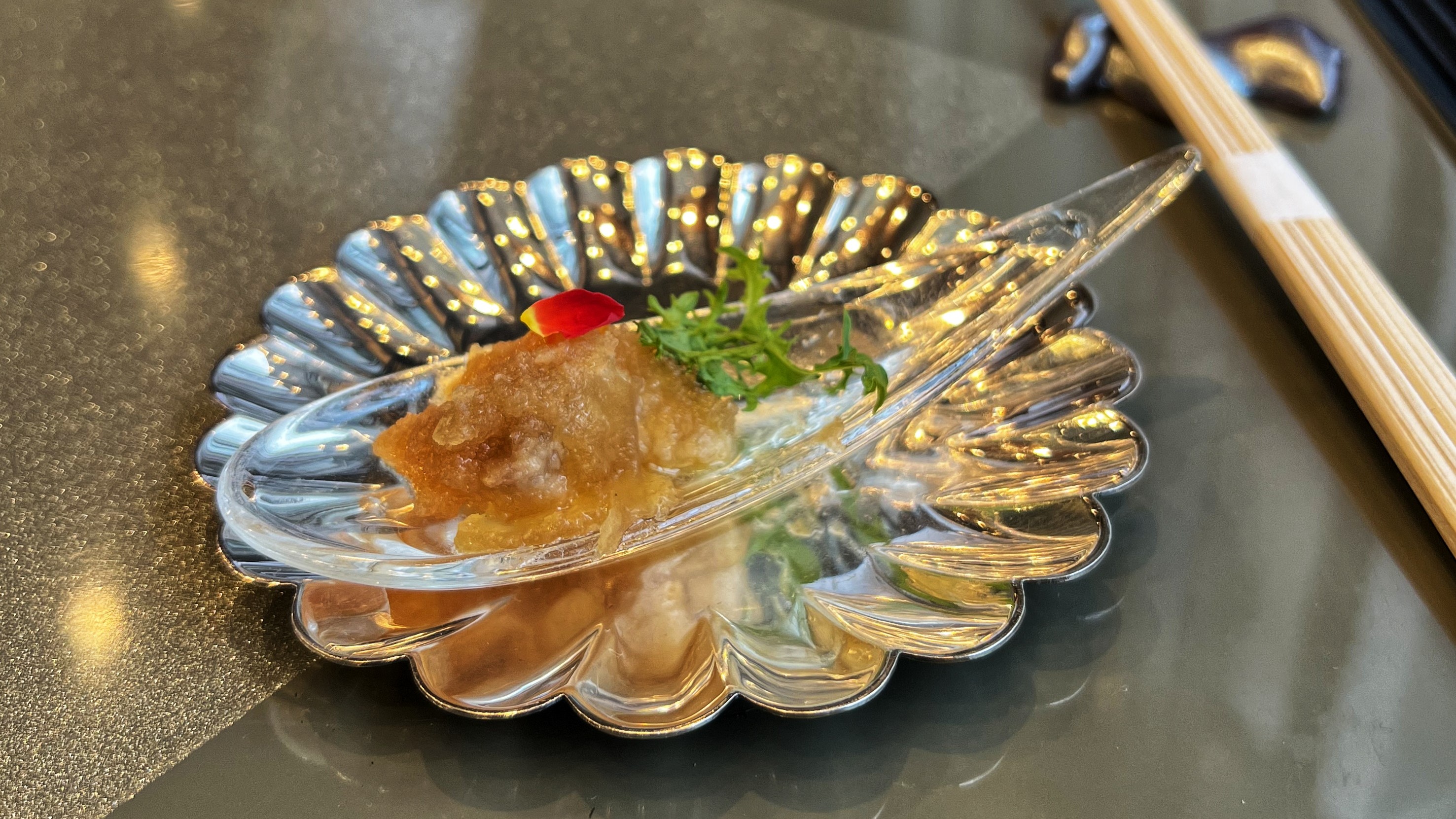
Small surprises between main dishes: Gourmet restaurants entertain their guests with small surprises between dishes. These are micro versions of the main dishes where the chef has complete creative freedom, each delivering a unique tasting experience.
In the Thought Leadership world, these surprises come from your tactical abilities. They stem from the rapidly surfacing topics you address with an initiative and a quick turnaround time. The initiative is smaller in scope and often works as a test balloon 🎈 to gauge interest and refine the clarity of your thoughts.

Matching beverages: A gourmet restaurant pays a lot of attention to matching food and drinks, both on the alcoholic side with wines and the non-alcoholic side that is surging.
On the thought leadership side of the house, this can represent the importance of tailoring experiences for different audiences. The best thought leadership serves more than one audience to their expectations.

Changing out one dish at a time: Changing multiple dishes on the menu simultaneously creates execution quality challenges in the kitchen and makes it hard for service staff to keep up with the menu. Five-course restaurants often evolve the menu with seasonal access to ingredients. A strategy that builds on what is available and opens the door for recurring guests to find something new.
Quarterly reviews and refreshes of thought leadership programs keep you on track, and an ambition to swap one topic per quarter ensures the identity remains caught up on vital market developments.
Fotografiska in Stockholm, Sweden: The metaphor used here was born at a dinner at Fotografiska in Stockholm, Sweden. They offer a set five-course tasting menu with vegetarian dishes and parts of the vegetables cultivated in the building’s basement. The location provides an excellent view over Stockholm and comes with two drink pairings, with a few small dishes served between the main dishes.
Additional reading suggestions
Here are a few suggestions for a deeper understanding of how five-course menus are composed:
- Mastering the art of three-course meals: A beginner’s guide [BLOGPOST] – by Marvino’s Italian Steakhouse
- How to plan a cohesive multi-course meal [BLOGPOST] – by Auguste Escoffier School of Culinary Arts
- How to serve a five-course meal [BLOGPOST] – by Tremaine Jackson, eHow
- How to host an easy 5 course French meal [BLOGPOST] – by The Gingered Whisk


 Tweeter Linder